Quiz Space

September 2023 term · Computational Thinking · BSCS1001

Computational Thinking (CT) End Term: 24 December 2023, Set 2 (September 2023 term)

The IIT Madras BS Computational Thinking (Computational Thinking (CT)) End Term paper sat on 24 Dec 2023, in the September 2023 term, set 2: 23 questions for 106 marks in 180 minutes. Every question is below with its answer. Take it as a timed mock test to be marked, or read it through first.

Questions
23
Marks
106
Duration
180 min
MCQ
14
MSQ
6
Written
3

Updated

Official paper: IIT M FOUNDATION AN EXAM ADF3 24 Dec 2023 · No negative marking.

Question 1

+1 markOne correct option

THIS IS QUESTION PAPER FOR THE SUBJECT "FOUNDATION LEVEL : COMPUTATIONAL THINKING (COMPUTER BASED EXAM)" ARE YOU SURE YOU HAVE TO WRITE EXAM FOR THIS SUBJECT? CROSS CHECK YOUR HALL TICKET TO CONFIRM THE SUBJECTS TO BE WRITTEN. (IF IT IS NOT THE CORRECT SUBJECT, PLS CHECK THE SECTION AT THE TOP FOR THE SUBJECTS REGISTERED BY YOU)

  1. A

    YES

  2. B

    NO

Show answer

Correct answer

  • A

    YES

Question 2

+1 markOne correct option
Figure from the original question paper
  1. A

    Useful Data has been mentioned above.

  2. B

    This data attachment is just for a reference & not for an evaluation.

Show answer

Correct answer

  • A

    Useful Data has been mentioned above.

Question 3

+4 marksOne correct option
Figure from the original question paper
  1. A
    Figure from the original question paper
  2. B
    Figure from the original question paper
  3. C
    Figure from the original question paper
  4. D
    Figure from the original question paper
Show answer

Correct answer

  • A
    Figure from the original question paper

Question 4

+5 marksOne correct option
Figure from the original question paper
  1. A

    (i) - r, (ii) - p, (iii) - s,(iv)- q

  2. B

    (i) - q, (ii) - r, (iii) - s, (iv)- p

  3. C

    (i) - q, (ii) - p, (iii) - r, (iv)- s

  4. D

    (i) - q, (ii) - r, (iii) - p, (iv)- s

Show answer

Correct answer

  • D

    (i) - q, (ii) - r, (iii) - p, (iv)- s

Question 5

+5 marksOne correct option

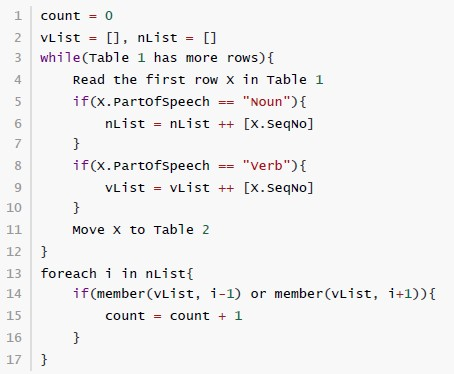
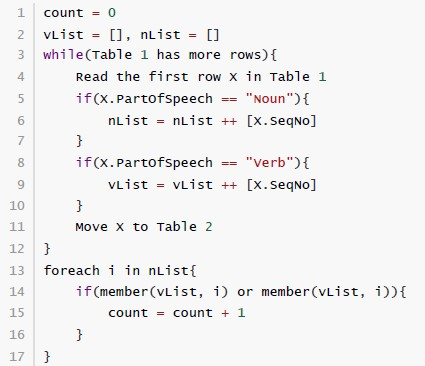
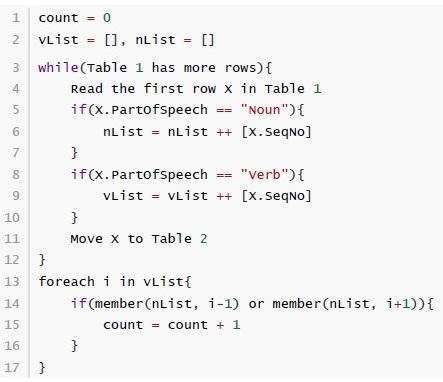
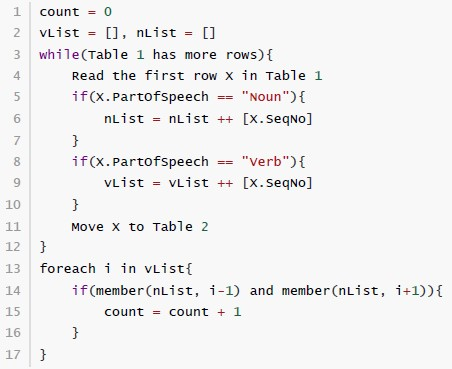
Which of the following pseudocodes when executed using the “Words” dataset, the count will give a number of verbs which have at least one noun adjacent to it?

  1. A
    Figure from the original question paper
  2. B
    Figure from the original question paper
  3. C
    Figure from the original question paper
  4. D
    Figure from the original question paper
Show answer

Correct answer

  • C
    Figure from the original question paper

Question 6

+5 marksOne correct option

The following pseudocode is executed using the “Shopping Bills” dataset. The variable count gives the number of bills which are either from Big Bazaar or have a total bill amount of less than Rs. 500, but not both. Choose the correct code fragment to complete the pseudocode.

The following pseudocode is executed using the “Shopping Bills” dataset. The variable count gives the number of bills which are either from Big Bazaar or have a total bill amount of less than Rs. 500, but not both. Choose the correct code fragment to complete the pseudocode.

The following pseudocode is executed using the “Shopping Bills” dataset. The variable count gives the number of bills wh
  1. A
    Figure from the original question paper
  2. B
    Figure from the original question paper
  3. C
    Figure from the original question paper
  4. D
    Figure from the original question paper
Show answer

Correct answer

  • D
    Figure from the original question paper

Question 7

+5 marksOne correct option
Figure from the original question paper
  1. A

    1

  2. B

    3

  3. C

    12

  4. D

    15

Show answer

Correct answer

  • C

    12

Question 8

+5 marksOne correct option
Figure from the original question paper
  1. A

    List of airports through which maximum number of flights pass

  2. B

    List of airports through which minimum number of flights pass

  3. C

    List of flights that pass through a maximum number of airports

  4. D

    List of flights that pass through a minimum number of airports

Show answer

Correct answer

  • B

    List of airports through which minimum number of flights pass

Question 9

+6 marksOne correct option
Figure from the original question paper
  1. A

    List of customers who purchased an item other than what both customers xand y purchased.

  2. B

    List of customers who purchased exactly the same item(s), which waspurchased by either customer x or customer y

  3. C

    List of customers who bought at least one item in common with both customerx and customer y

  4. D

    List of customers who purchased at least one item, which was purchased byeither customer x or customer y

Show answer

Correct answer

  • A

    List of customers who purchased an item other than what both customers xand y purchased.

Question 10

+6 marksOne correct option
Figure from the original question paper
  1. A

    L= [2, 1, 0, 5, 3, 4]

  2. B

    L= [2, 1, 0, 4, 5, 3]

  3. C

    L= [2, 0, 1, 3, 4, 5]

  4. D

    L= [2, 0, 1, 3, 5, 4]

Show answer

Correct answer

  • C

    L= [2, 0, 1, 3, 4, 5]

Question 11

+6 marksOne correct option
Figure from the original question paper
  1. A
    Figure from the original question paper
  2. B
    Figure from the original question paper
  3. C
    Figure from the original question paper
  4. D
    Figure from the original question paper
Show answer

Correct answer

  • C
    Figure from the original question paper

Question 12

+5 marksOne or more correct options

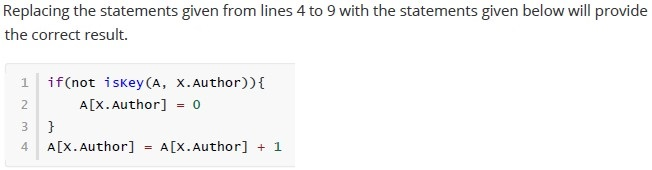
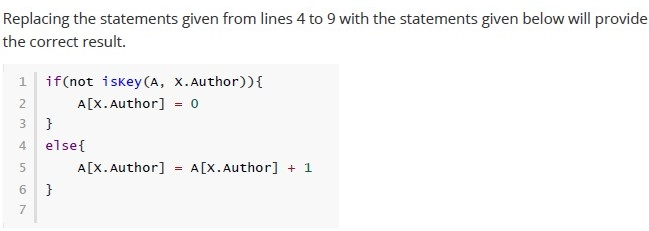
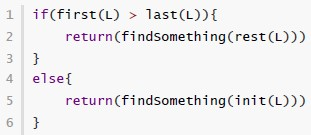
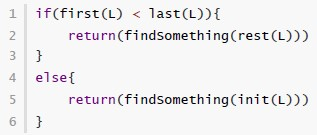
The following pseudocode is executed using the "Library" dataset. At the end of the execution, A stores a dictionary with the author’s name as the key and the number of books written by him/her as its value. But the code may have mistakes. Identify all such mistakes (if any). Assume that all statements not listed in the options below are free of errors.

The following pseudocode is executed using the "Library" dataset. At the end of the execution, A stores a dictionary with the author’s name as the key and the number of books written by him/her as its value. But the code may have mistakes. Identify all such mistakes (if any). Assume that all statements not listed in the options below are free of errors.

The following pseudocode is executed using the "Library" dataset. At the end of the execution, A stores a dictionary wit

Select all that apply.

  1. A
    Figure from the original question paper
  2. B
    Figure from the original question paper
  3. C
    Figure from the original question paper
  4. D
    Figure from the original question paper
Show answer

Correct answers

  • A
    Figure from the original question paper
  • B
    Figure from the original question paper
  • C
    Figure from the original question paper

Question 13

+6 marksOne or more correct options
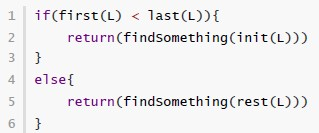
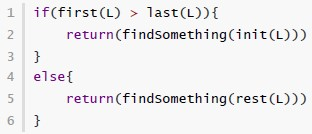
Figure from the original question paper

Select all that apply.

  1. A
    Figure from the original question paper
  2. B
    Figure from the original question paper
  3. C
    Figure from the original question paper
  4. D
    Figure from the original question paper
Show answer

Correct answers

  • A
    Figure from the original question paper
  • C
    Figure from the original question paper

Question 14

+6 marksOne or more correct options

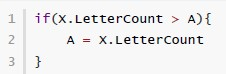
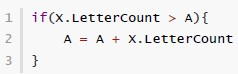
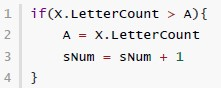
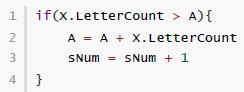
The given pseudocode is executed using the “Words” dataset. At the end of execution A captures the frequency count of the most frequent letter in the dataset. But the pseudocode may have mistakes. Identify all such mistakes (if any). Assume that all statements not listed in the options below are free of errors.

The given pseudocode is executed using the “Words” dataset. At the end of execution A captures the frequency count of the most frequent letter in the dataset. But the pseudocode may have mistakes. Identify all such mistakes (if any). Assume that all statements not listed in the options below are free of errors.

The given pseudocode is executed using the “Words” dataset. At the end of execution A captures the frequency count of th

Select all that apply.

  1. A

    Line 1: Incorrect initialization of D

  2. B

    Line 8: Incorrect conditional expression

  3. C

    Line 9: A updated with wrong value

  4. D

    Line 13: Incorrect initialization of i

  5. E

    Line 16: Incorrect expression

  6. F

    Line 23: i updated at wrong place

Show answer

Correct answers

  • C

    Line 9: A updated with wrong value

  • F

    Line 23: i updated at wrong place

Question 15

+4 marksOne correct option

Based on the above data, answer the given subquestions.

Based on the above data, answer the given subquestions.

What will A represent at the end of the execution?

  1. A

    Number of students who have scored less than 90 marks in Physics

  2. B

    Number of female students who have scored more than 90 marks in Chemistry

  3. C

    Number of female students

  4. D

    Number of male students who have scored more than 90 marks in Physics

Show answer

Correct answer

  • D

    Number of male students who have scored more than 90 marks in Physics

Question 16

+4 marksOne or more correct options

Based on the above data, answer the given subquestions.

Based on the above data, answer the given subquestions.

Which of the below numbers that B represent at the end of the execution?

Select all that apply.

  1. A

    Number of male students who have scored more than 90 marks in bothPhysics and chemistry

  2. B

    Number of male students who have scored less than 90 marks in Physics andmore than 90 marks in chemistry

  3. C

    Number of female students who have scored less than 90 marks in bothPhysics and Chemistry

  4. D

    Number of female students who have scored more than 90 marks in Chemistry

Show answer

Correct answers

  • B

    Number of male students who have scored less than 90 marks in Physics andmore than 90 marks in chemistry

  • D

    Number of female students who have scored more than 90 marks in Chemistry

Question 17

+4 marksOne correct option

The following pseudocode is executed using the “Shopping Bills” dataset. Assume each customer has a distinct name.

The following pseudocode is executed using the “Shopping Bills” dataset. Assume each customer has a distinct name. Based on the above data, answer the given subquestions.

The following pseudocode is executed using the “Shopping Bills” dataset. Assume each customer has a distinct name.

What will N represent at the end of the execution?

  1. A

    Minimum number of bills issued to a single customer

  2. B

    Minimum number of bills issued to a single customer from the same shop

  3. C

    Minimum number of customers who purchased items from the same shop

  4. D

    Maximum number of customers who purchased items from the same shop

Show answer

Correct answer

  • A

    Minimum number of bills issued to a single customer

Question 18

+4 marksOne correct option

The following pseudocode is executed using the “Shopping Bills” dataset. Assume each customer has a distinct name.

The following pseudocode is executed using the “Shopping Bills” dataset. Assume each customer has a distinct name. Based on the above data, answer the given subquestions.

The following pseudocode is executed using the “Shopping Bills” dataset. Assume each customer has a distinct name.

What will count represent at the end of the execution?

  1. A

    Total number of bills

  2. B

    Total number of customers

  3. C

    Number of customers who have the minimum number of bills

  4. D

    Number of customers who have the maximum number of bills

Show answer

Correct answer

  • B

    Total number of customers

Question 19

+5 marksOne or more correct options

The following pseudocode constructs a matrix M from the “Shopping Bills” dataset. Two bills are said to be similar if the difference in their total bill amount is at most 100. Procedure abs(a) returns the absolute value of input integer a. For example: abs(5) = 5, abs(-5) = 5.

The following pseudocode constructs a matrix M from the “Shopping Bills” dataset. Two bills are said to be similar if the difference in their total bill amount is at most 100. Procedure abs(a) returns the absolute value of input integer a. For example: abs(5) = 5, abs(-5) = 5. Based on the above data, answer the given subquestions.

The following pseudocode constructs a matrix M from the “Shopping Bills” dataset. Two bills are said to be similar if th
Figure from the original question paper

Select all that apply.

  1. A
    Figure from the original question paper
  2. B
    Figure from the original question paper
  3. C
    Figure from the original question paper
  4. D
    Figure from the original question paper
Show answer

Correct answers

  • A
    Figure from the original question paper
  • C
    Figure from the original question paper

Question 20

+5 marksOne or more correct options

The following pseudocode constructs a matrix M from the “Shopping Bills” dataset. Two bills are said to be similar if the difference in their total bill amount is at most 100. Procedure abs(a) returns the absolute value of input integer a. For example: abs(5) = 5, abs(-5) = 5.

The following pseudocode constructs a matrix M from the “Shopping Bills” dataset. Two bills are said to be similar if the difference in their total bill amount is at most 100. Procedure abs(a) returns the absolute value of input integer a. For example: abs(5) = 5, abs(-5) = 5. Based on the above data, answer the given subquestions.

The following pseudocode constructs a matrix M from the “Shopping Bills” dataset. Two bills are said to be similar if th

Choose the correct statement(s) based on the given pseudocode.

Select all that apply.

  1. A
    Figure from the original question paper
  2. B
    Figure from the original question paper
  3. C
    Figure from the original question paper
  4. D
    Figure from the original question paper
Show answer

Correct answers

  • B
    Figure from the original question paper
  • D
    Figure from the original question paper

Question 21

+1 markWritten answer

Based on the above data, answer the given subquestions.

Based on the above data, answer the given subquestions.
Show answer

A written answer, not marked automatically.

Question 22

+1 markWritten answer

The following pseudocode is executed using the “Shopping Bills” dataset. Assume each customer has a distinct name.

The following pseudocode is executed using the “Shopping Bills” dataset. Assume each customer has a distinct name. Based on the above data, answer the given subquestions.

The following pseudocode is executed using the “Shopping Bills” dataset. Assume each customer has a distinct name.
Show answer

A written answer, not marked automatically.

Question 23

+1 markWritten answer

The following pseudocode constructs a matrix M from the “Shopping Bills” dataset. Two bills are said to be similar if the difference in their total bill amount is at most 100. Procedure abs(a) returns the absolute value of input integer a. For example: abs(5) = 5, abs(-5) = 5.

The following pseudocode constructs a matrix M from the “Shopping Bills” dataset. Two bills are said to be similar if the difference in their total bill amount is at most 100. Procedure abs(a) returns the absolute value of input integer a. For example: abs(5) = 5, abs(-5) = 5. Based on the above data, answer the given subquestions.

The following pseudocode constructs a matrix M from the “Shopping Bills” dataset. Two bills are said to be similar if th
Show answer

A written answer, not marked automatically.